
Best Sales Presentation Examples: Real Decks to Copy
Study Zuora and five other public sales decks, then copy an original example for your next meeting: discovery, SaaS demo, budget approval, services proposal, or renewal. You also get a downloadable SaaS template with speaker notes, modeled ROI math, and a checklist for the version your champion forwards.
Last updated: October 2026
Quick Answer
The best sales presentation examples match the buyer's next decision. Study Zuora for change-led storytelling. Copy a discovery deck for a first meeting, a workflow-led deck for a SaaS demo, and a business case for budget approval. Below are public decks, five original examples, and an eight-slide template with speaker notes. Borrow the reasoning, not just the colors: your champion needs a case they can forward without you.
Quick path: Choose your situation, copy its mini-deck, then check the ROI and pre-send sections.
Which sales presentation example should you copy?
| Situation | Example | What to borrow | Next decision |
|---|---|---|---|
| Explain a category change | Zuora | Change → stakes → future → product → proof | Explore the approach |
| First meeting | Discovery mini-deck | A diagnosis the buyer can correct | Discovery workshop |
| SaaS demo | Workflow mini-deck | A test, not a feature tour | Scoped pilot |
| Budget approval | Finance mini-deck | Visible assumptions and approval gates | Budget sign-off |
| Services proposal | Scope mini-deck | Deliverables and boundaries | Scope approval |
| Renewal | Value mini-deck | Outcomes separate from usage | Renewal decision |
By Kinshuk Snehi, founder of Deckoholic. My rule: give each deck one job. When the buyer is still correcting your diagnosis, don't rush to the slide with the price.
Real sales decks worth studying
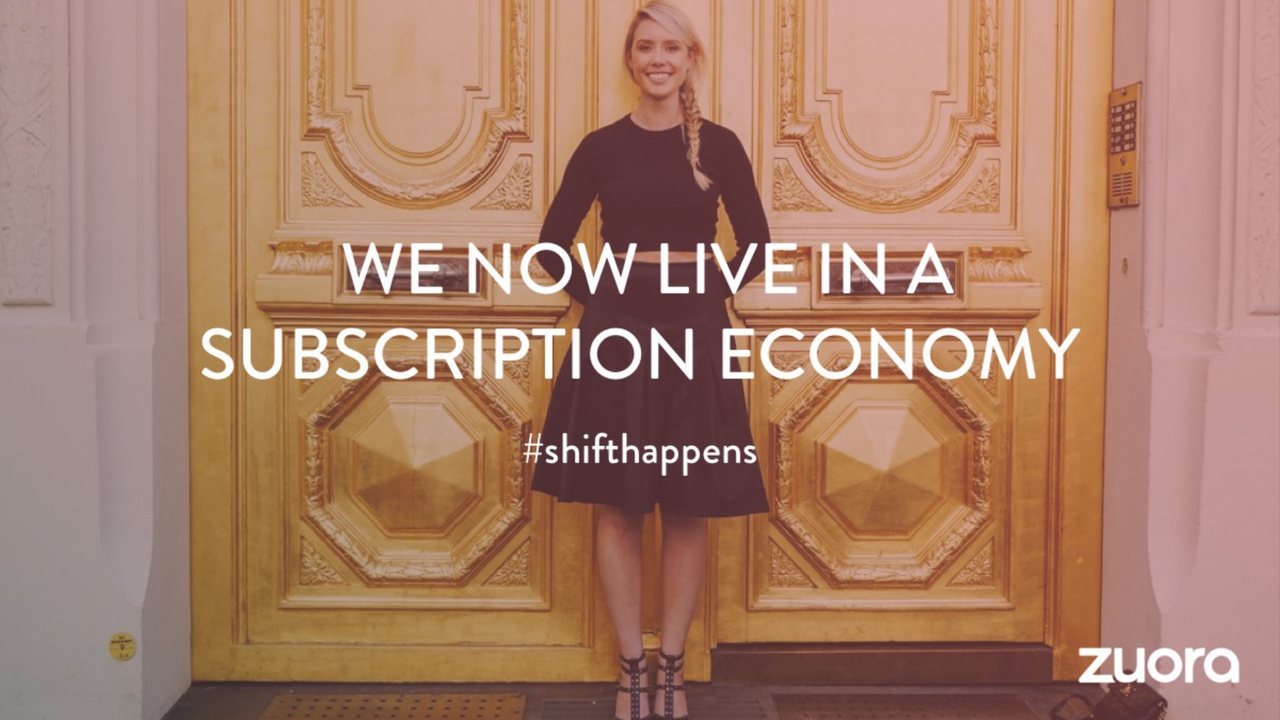
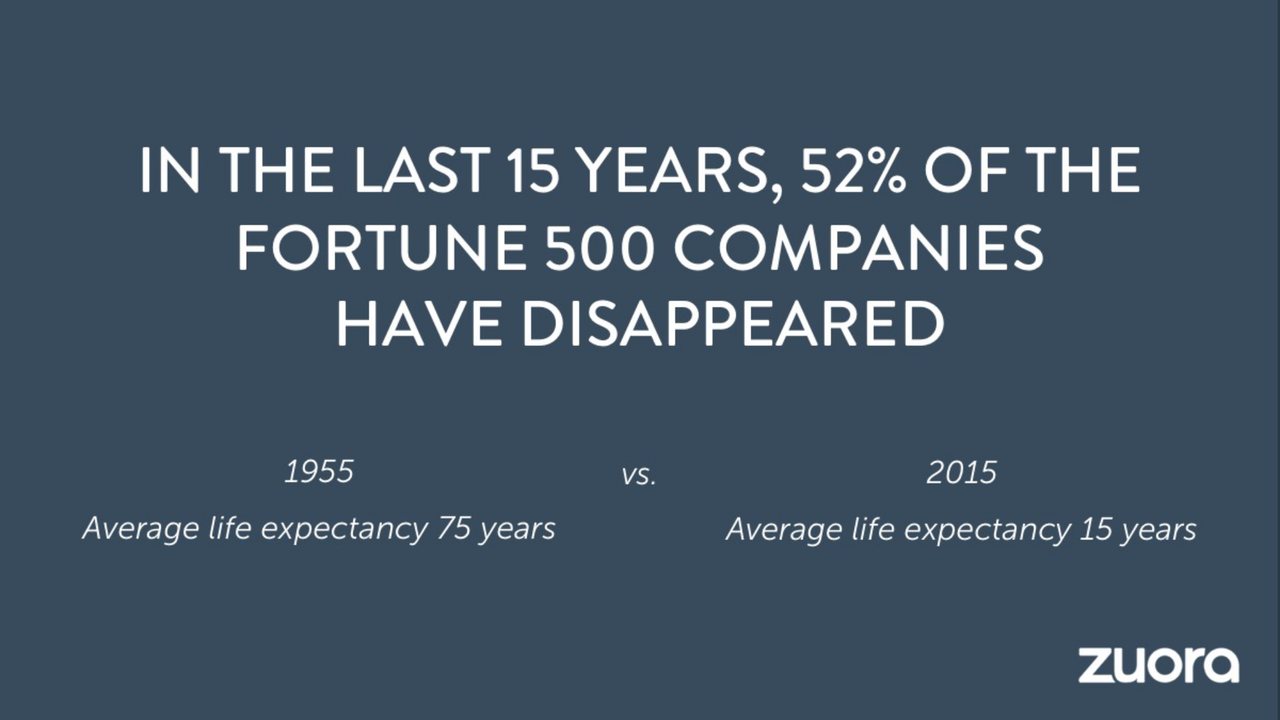
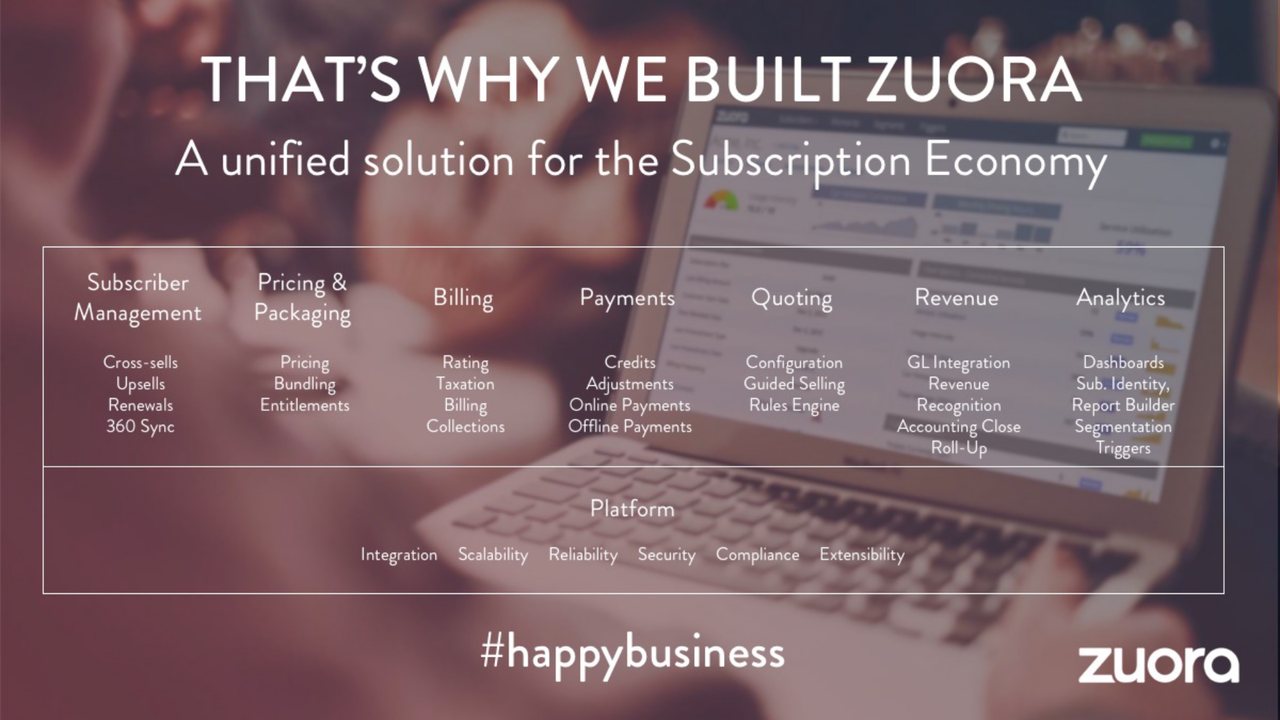
Zuora publishes this 24-slide deck itself. Andy Raskin's 2016 essay, The Greatest Sales Deck I've Ever Seen, made it famous. The product does not appear until slide 20 of 24.
1. Name a big change in the world
2. Show there will be winners and losers
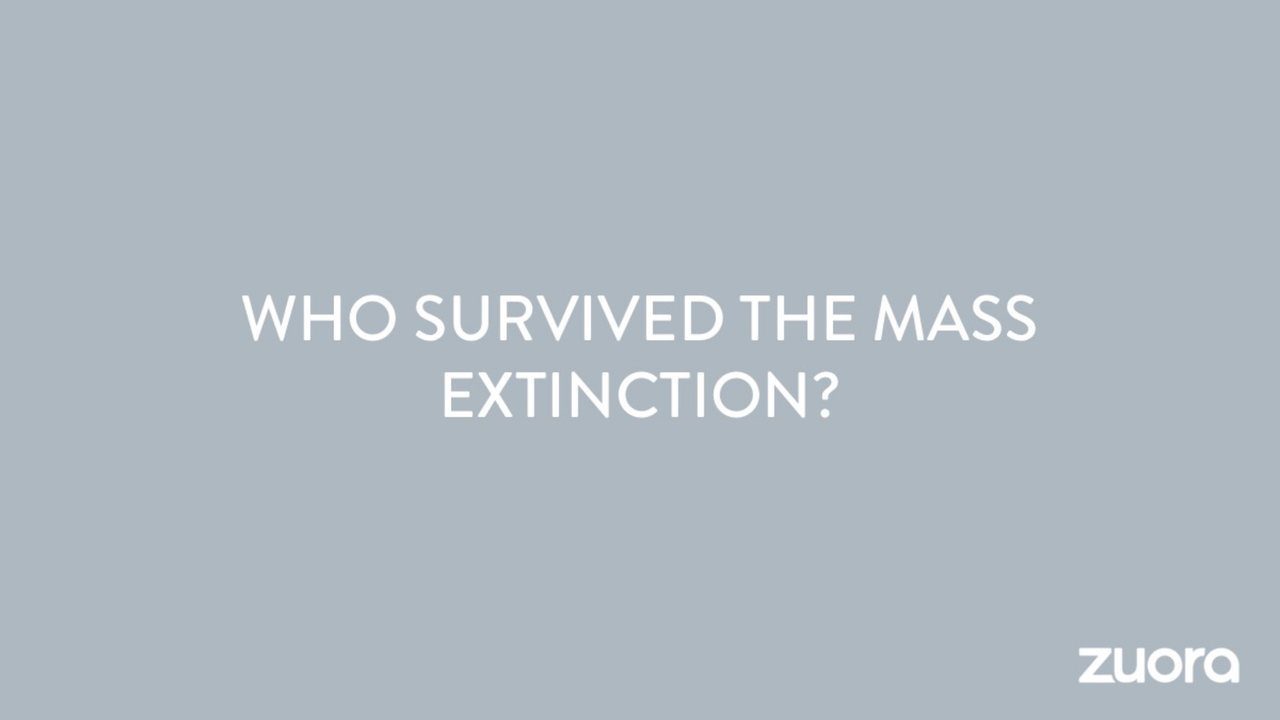
3. Tease the promised land

4. Introduce features as gifts for reaching it
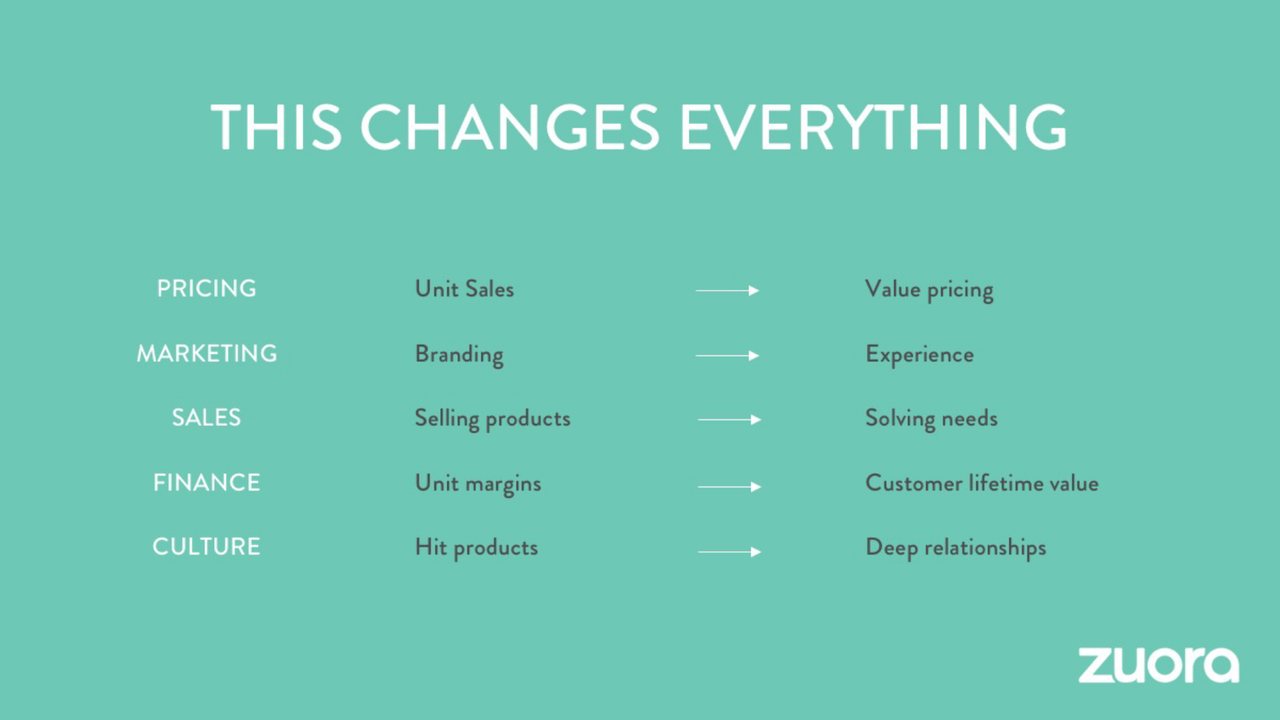
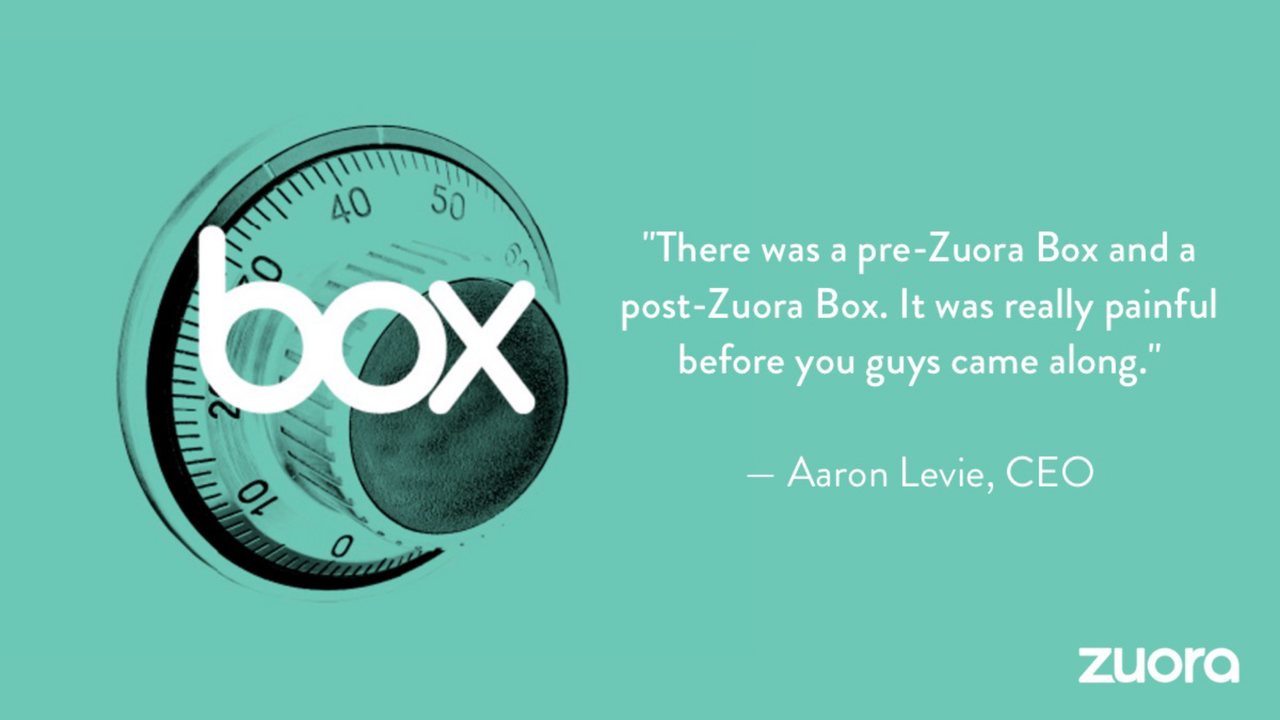
5. Present evidence it works
Copy the logic, not the delay If the buyer asks to see the workflow, show it. Zuora's late reveal is a narrative choice, not a rule for every meeting.
Five more public decks to study
| Public deck | What to notice | What to borrow |
|---|---|---|
| Reddit Ads | Pop-culture humor backed by audience stats | Personality with evidence |
| Microsoft Office 365 SMB | 49-slide 2015 deck with a results “money slide” | A clear business payoff |
| Snapchat Ads | Bright and emoji-heavy for a 13–34 audience | Audience-fit visuals |
| Asana | Power-versus-ease-of-use positioning graph | A visible trade-off |
| Linear | Developer pitch that leads with pain | The user's problem first |
Study these as historical artifacts, not evidence of current audience figures or product capabilities.
Five original sales presentation examples to copy
These examples are illustrative, not customer results. Replace hypotheses, account observations, and proposed responsibilities before sending.
First meeting: earn the next conversation
Use this before the buyer confirms your diagnosis. Borrow the invitation to correct you: hearing that requests stall somewhere else is useful discovery.
Every handoff needs a follow-up
Let's test where ownership becomes unclear.
SaaS demo: prove a workflow
Use this when the buyer asks how a request reaches its owner. Borrow the test criteria, then rehearse with the software demo preparation guide.
Test request ownership
Can requesters find status without chasing?
Budget approval: equip your champion
Use this when your champion needs something for finance. Borrow the approval gates; the ROI table below supplies the worked calculation.
Fund rollout after validation
Release spend when the pilot supports the case.
Services proposal: sell a defined scope
Use this after agreeing on the problem. When someone asks whether another integration is included, a boundary slide beats an awkward promise.
Fix the onboarding handoff
Clear ownership from kickoff to customer handover.
Renewal: show value before asking for more
Use this when renewal confidence matters more than expansion. If the sponsor flags weak adoption, address that before showing more seats.
Return to the agreed outcome
Clear onboarding ownership and less status chasing.
Download an eight-slide SaaS sales template
RelayOps is a fictional workflow-management product. Replace the workflow, evidence, owners, and terms; when the buyer asks who handles access, the implementation slide should answer.
Make every onboarding request accountable
From incoming request to accepted ownership.
Will the deck make sense without you?
These findings support preparing for independent research, not a claim that decks improve conversion. When your champion forwards the file to finance, the assumptions must survive without your narration.
- Write conclusion-led titles, not “Current state.”
- Put sources, assumptions, and the next decision on slides.
- Keep questions and transitions in notes.
- If the case fits on a page, send a product one-pager.
How to calculate the sales presentation ROI slide
Modeled example, not a customer result. Finance can accept your time estimate while rejecting the idea that every recovered hour becomes value. Make that assumption visible.
| Input or output | Value | Calculation or validation |
|---|---|---|
| Users and weekly time saved | 10 users; 2 hours each | Validate through workflow observation |
| Working weeks and labor cost | 48 weeks; $50/hour | Agree with finance |
| Realization | 50% | Adoption and useful reuse of time |
| Annual capacity value | $24,000 | 10 × 2 × 48 × $50 × 50% |
| First-year cost | $15,000 | $12,000 subscription + $3,000 implementation |
| Net first-year value | $9,000 | $24,000 − $15,000 |
| First-year ROI | 60% | $9,000 ÷ $15,000 |
Capacity value is not cash savings. Include internal setup and training in implementation cost, even when the vendor doesn't invoice it.
Slides, live demo, interactive demo, or video?
| Format | Use it for | Watch out for |
|---|---|---|
| Slides | Decision and business case | Cannot prove product behavior alone |
| Live demo | Workflow and technical questions | Absent stakeholders miss the interaction |
| Interactive demo | Self-guided product exploration | Not every technical question gets answered |
| Video | Consistent narrated walkthrough | Viewers cannot test the workflow |
For someone who missed the call, pair the decision deck with product evidence. Deckoholic captures real-interface interactive demos and polished demo videos through the same Chrome extension; it isn't a slide builder.
Use the demo video guide when narration matters. For a quick async recording, I'd choose Loom rather than produce a polished walkthrough.
Check the presentation before you send it
Open the export on your phone. If the price is readable but the assumptions aren't, it isn't ready.
- Buyer details and workflow match the recipient.
- Each title advances the decision.
- Evidence is sourced and assumptions labeled.
- Costs, responsibilities, and scope boundaries are visible.
- The case works without speaker notes.
- Links open for an outside recipient.
- Export and speaker-note behavior are tested.
- Confidential data is removed or approved.
- The next step has an owner and date.
Frequently Asked Questions
What is an example of a good sales presentation?
Zuora is a strong example of change-led storytelling: change, stakes, desired future, capabilities, and evidence. But a buyer asking to inspect a workflow needs a demo-led presentation, not necessarily a category story. Choose the example that supports their next decision rather than copying the most famous deck.
What should a sales presentation include?
Include the buyer's problem, desired outcome, relevant evidence, costs, implementation responsibilities, and a specific next step. Budget cases need visible assumptions. Put the essential argument on the slides, not only in speaker notes, so a finance lead who missed the meeting can still assess the proposal.
How do you start a sales presentation?
Start with the buyer's desired outcome or a diagnosis they can correct. Label an unconfirmed diagnosis as a hypothesis. For a demo, confirm the workflow you will test. Skip company history unless it answers a real concern, such as your team's ability to support implementation.
How many slides should a sales presentation have?
Use enough to support the next decision while leaving room for discussion. The mini-decks here are starting points, not universal length rules. Put distracting technical detail in an appendix, but keep assumptions and decision-critical evidence in the version the buyer will forward to colleagues.
What is the difference between a sales deck and an investor pitch deck?
A sales deck helps a customer decide whether to buy, test, or renew. An investor pitch helps someone assess the company as an investment. Fundraising plans can matter to investors while adding little to a buyer's immediate questions about workflow fit, implementation, cost, and risk.
Should you send the sales deck before or after the meeting?
Send it before when the buyer needs context or must prepare inputs. Send a revised version afterward when discussion changes the diagnosis, scope, or next step. Don't forward the untouched live deck by habit. Remove irrelevant material and make the decision clear without your narration.
Summary
- Borrow the reasoning from public decks, not their historical claims.
- Choose a mini-deck that supports the buyer's next decision.
- Replace template hypotheses with confirmed workflows, evidence, owners, and terms.
- Keep ROI assumptions visible and capacity value separate from cash savings.
- Test the forwarded deck without your narration.

About the author
Kinshuk Snehi
Founder of Deckoholic
Kinshuk has a strong background in product marketing, customer onboarding, and the growth function across B2B SaaS. He has been part of an early-stage company's journey from zero to multi-million-dollar revenue, building demand generation, customer acquisition, and retention from the ground up, and has run interactive demos and product tours in production. He writes here about interactive demos, product-led growth, and go-to-market.
Connect on LinkedInShow your product before anyone signs up
Deckoholic turns a click-through of your product into an interactive demo and a polished video, with an AI host that answers questions and books the meeting. Free plan, no credit card.
Start Free